Refrigeratori industriali LNEYA Produttore Fornitore


Typical application of refrigeration heating temperature control system
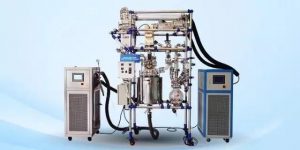
LNEYA Dynamic thermostatic control of cold and heat source of high pressure reaction kettle, dynamic thermostatic control of double layer glass reaction kettle, and dynamic thermostatic control of cold and hot source of double-layer reactor.
Microchannel reactor thermostatic control, small temperature control system, steam – feeding system temperature control, material low temperature aging test.
The thermostatic control of the combined chemical cold source heat source, the cooling heating of the semiconductor equipment and the heating temperature of the vacuum chamber are controlled.

Advantages and functions of temperature control system of refrigeration
Temperature range from 120 to 350, performance superior, unique, high – precision, intelligent temperature control.
High cooling power from 0.5 to 1200kW, highest production stability and repeatable results.
Multi-function alarm system and safety function, use plate heat exchanger, tube type heater to increase heating and cooling rate.
7-inch and 10-inch color TFT touch screen graphics display, use magnetic drive pump, no re-seal leakage problem.
Full airtight system, extended thermal conductivity liquid life, very wide temperature range, no need to change liquid media.
Ultra-high temperature cooling technology can be cooled directly from 300 degrees of high temperature.
The principle and the function has many advantages to using staff: because only expansion of cavity in the body heat conduction medium contact with oxygen in the air (and expansion tank temperature at room temperature to 60 degrees), can achieve lower heat conduction medium absorbed by oxidation and the risk of air moisture.
No heat conduction medium evaporates at high temperature, and it can be achieved -80 ~ 190 degrees, -70 ~ 220 degrees, -88 ~ 170 degrees, -55 ~ 250 degrees, -30 ~ 300 degree continuous temperature control without pressurization.
Adopt full closed pipe design, adopt high efficiency plate heat exchanger, reducing the demand for heat conduction liquid, improve the heat utilization rate of the system, reach the rapid lifting temperature.Thermal conductive medium in a closed system, with a container, expand the heat-conducting medium not participate in circulation in the container, whether high or low temperatures, expansion tank temperature to room temperature to 60 degrees, can reduce the heat conduction medium in running the risk of absorbing the moisture and volatile.
Raccomandazioni correlate
-

Thermal oil heating system installation and fault analysis
1938When the heat transfer oil heating system device is installed, it is necessary to pay attention to the system to avoid some faults during installation. If a fault occurs, it is necessary to understand the faults related to the heat transfer oil he...
Visualizza dettagli -
Come funzionano i refrigeratori CVD e PVD per semiconduttori?
1646Il principio di funzionamento dei refrigeratori utilizzati nei processi di deposizione chimica del vapore (CVD) e di deposizione fisica del vapore (PVD) dei semiconduttori consiste principalmente nel rimuovere il calore generato durante il processo facendo circolare acqua di raffreddamento o...
Visualizza dettagli -
Vantaggi del refrigeratore a ricircolo per il raffreddamento a bassa temperatura
1350Il refrigeratore a ricircolo a bassa temperatura è un tipo di refrigerazione che utilizza un compressore e la pompa di circolazione fornisce una fonte di freddo per mantenere la temperatura da - 2 5℃ a 30℃. Il refrigeratore a ricircolo di freddo ha un ingombro ridotto...
Visualizza dettagli -
Come funziona il sistema di refrigerazione industriale ad acqua?
1922Quando si utilizzano macchinari industriali, può essere necessario un sistema di raffreddamento per evitare il surriscaldamento della macchina. Le apparecchiature di refrigerazione possono mantenere efficacemente i materiali nell'intervallo di temperatura ottimale, ma come funziona il refrigeratore? Capire il funzionamento...
Visualizza dettagli