Refrigeratori industriali LNEYA Produttore Fornitore


Introduzione alla soluzione mista dei sistemi di raffreddamento a glicole (refrigeratori a glicole)
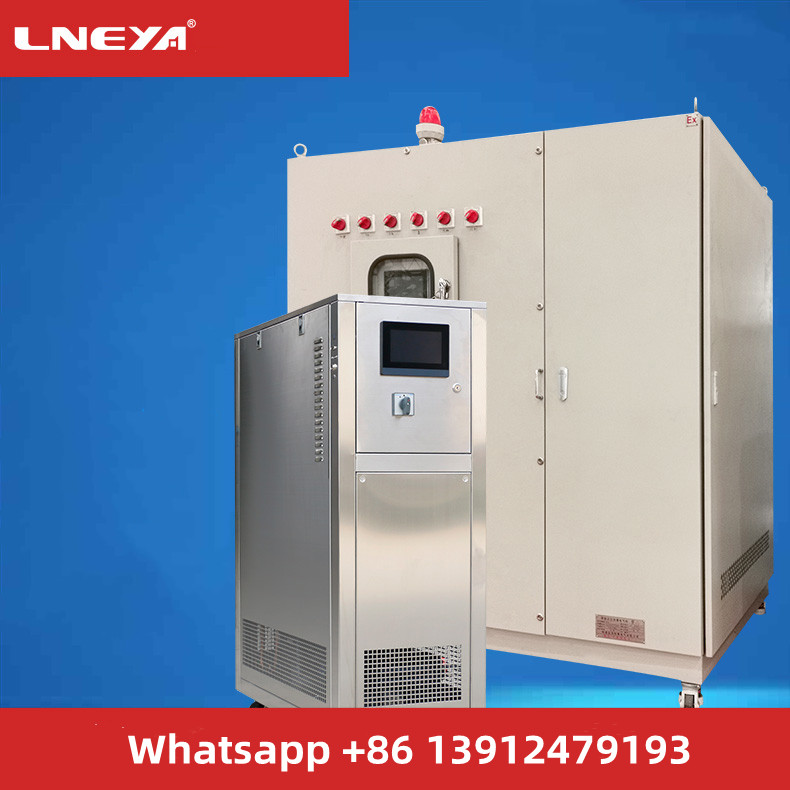
Glycol chillers are industrial refrigeration systems that use a type of antifreeze called glycol, mixed with water, to lower the freezing point in the application of the chilling system.
Glycol is a class of organic compounds that belong to the alcohol family. When mixed with water and pumped through the pipes of a chilling system, glycol serves to slow the rate of freezing. It helps maintain temperature consistency in the application. Some glycol products also work to inhibit corrosion and bacterial growth within the pipes of the chilling system.
Glycol comes in two varieties that should never be mixed together: ethylene glycol and propylene glycol. Both types offer the same relative level of freeze protection. Both also help to guard against corrosion. Some grades of both types of glycol also help to prevent the growth of algae and bacteria within the chiller.
Ethylene glycol is a moderately toxic chemical that has a sweet taste and can be harmful if swallowed. For this reason, it should not be used in potable water or food processing systems when leakage is a possibility. Ethylene glycol has more widespread use due to its lower purchase price. Industrial applications like ice rinks and factories requiring large volumes of the coolant find this to be the most economical choice of glycol.
Mixing Water with Glycol in Your Industrial Refrigeration System
Although you should never mix glycol types there is something that should always be added: water. As mentioned, glycol must be mixed with water to function properly. The type and amount of water to use are key factors to consider.
Ratio of Water to Glycol to Use
Calculating the proper ratio of glycol to water in your chilling system depends on the coldest temperature that the glycol solution will reach during operation. If a chilling system is used indoors where there is no chance of freezing, the amount of glycol needed would be significantly less than required by a glycol chiller used outdoors where temperatures are prone to drop below freezing. Also, if an application requires a very low temperature to operate it should use a glycol mixture similar to that of an outdoor system. In a chilling system, this temperature is normally the saturated suction temperature in the evaporator, and normally this temperature is 10°F below the chiller set point temperature. Using the proper ratio of glycol and water in your chilling system is very important. Adding too much to your chiller system will cause it to become inefficient. However, not enough glycol could cause the system to freeze up, potentially bursting pipes or even rupturing the chiller evaporator.
To learn more about how a refrigeratore a glicole works, contact LNEYA: sales@lneya.com.
Raccomandazioni correlate
-

L'importanza della manutenzione del ciclo dell'acqua di raffreddamento dell'auto
1736Anche se la qualità complessiva della macchina di circolazione dell'acqua di raffreddamento per auto è elevata, in assenza di manutenzione e di manutenzione nei tempi previsti, la macchina di circolazione dell'acqua di raffreddamento per auto può presentare diversi gradi di guasto. In particolare...
Visualizza dettagli -
Come scegliere il lubrificante per la macchina di stampaggio a iniezione?
2002L'olio lubrificante del sistema di raffreddamento della macchina per lo stampaggio a iniezione deve prestare attenzione al tipo di compressore al momento della selezione. Il compressore è di tre tipi: a pistone, a vite e centrifugo. I primi due tipi di olio lubrificante sono ...
Visualizza dettagli -
Dove servono i refrigeratori d'acqua antideflagranti?
1334Explosion-proof refrigeration unit water chillers (explosion-proof chillers) are mainly used in environments with explosion risks to ensure the safety and reliability of the cooling process. This type of equipment is specially designed to ...
Visualizza dettagli -
Come risolvere il guasto del sistema di controllo automatico della temperatura del reattore?
1770Le prestazioni del sistema di controllo automatico della temperatura del reattore sono molto importanti. Una volta riscontrato un guasto che non può essere avviato, è necessario risolverlo il prima possibile, altrimenti la temperatura incontrollabile influirà sul reattore...
Visualizza dettagli